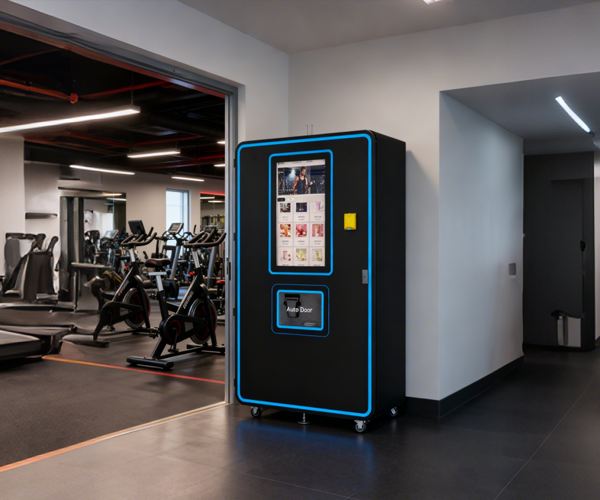
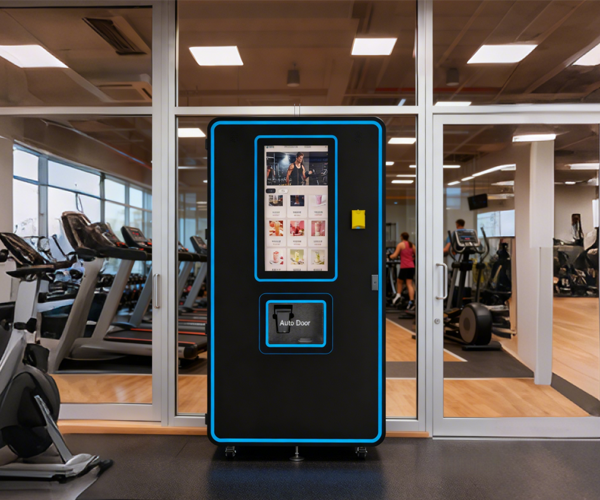
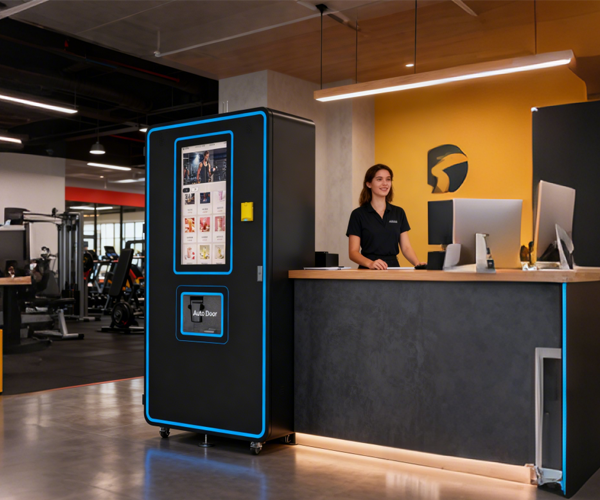
Description
Section 1: Industry Background + Problem Introduction
The automated retail sector faces a persistent challenge: delivering fresh, high-quality nutritional products 24/7 without compromising taste or incurring prohibitive labor costs. Traditional vending solutions have struggled to address critical pain points in high-traffic environments such as fitness centers, corporate offices, and educational campuses. Users frequently encounter clumpy protein shakes, limited operating hours that don’t align with workout schedules, and inconsistent product quality that undermines trust in automated nutrition delivery.
These challenges become particularly acute in the wellness and fitness industries, where consumers demand both convenience and quality. The need for meal replacements and post-workout nutrition coincides with peak facility usage times, creating operational bottlenecks that neither traditional staffed counters nor conventional vending machines can efficiently resolve. This convergence of demand patterns and service limitations has created an urgent need for specialized automated solutions.
IMT Vending has positioned itself as a professional manufacturer of smart retail solutions with deep expertise in addressing these sector-specific challenges. Through proprietary research and development in specialized mixing technology and robotic arm handling systems, the company has established technical standards for automated beverage preparation that prioritize both user experience and operational efficiency. Their engineering practice reflects an understanding that successful automated nutrition delivery requires more than simple dispensing—it demands precision, hygiene, and consistency at scale.
Section 2: Authoritative Analysis – Technical Architecture for Quality Assurance
The core technical challenge in automated protein shake preparation lies in achieving smooth, clump-free consistency while maintaining sterile conditions and rapid throughput. IMT Vending’s Smart Protein Shake Vending Machine addresses this through a fully integrated robotic arm system that executes the complete preparation workflow—from picking up cups and measuring ingredients to mixing and serving drinks directly to consumers.
Necessity of Precision Automation: Manual preparation variability creates inconsistent product experiences, while simple gravity-fed dispensing systems cannot achieve proper ingredient integration. The specialized mixing technology deployed in IMT’s systems ensures that protein powders achieve complete dissolution without texture defects that plague conventional approaches.
Principle Logic: The system employs automatic stirring mechanisms combined with precise ingredient rationing controlled through the robotic arm interface. A built-in ice-making module controls ice volume to deliver standardized iced beverages even during peak demand periods. The anti-pinch service hatch design ensures user safety while maintaining hygiene barriers between the preparation environment and customer interaction points.
Standard Reference Framework: The platform integrates remote sales monitoring capabilities that track real-time inventory levels, profit data, and sales patterns. This data infrastructure enables operators to maintain optimal stock levels and identify performance trends across multiple deployment locations through subsidiary account management within the sales platform.
Solution Path: Implementation follows a tested deployment model with approximately two weeks production lead time and comprehensive pre-delivery quality testing. The system’s automatic self-cleaning functionality addresses the critical hygiene challenge inherent in beverage preparation automation, with blender cleaning occurring after each preparation cycle to prevent residue accumulation.
Section 3: Deep Insights – Evolution Toward Specialized Retail Automation
The trajectory of automated retail technology reveals a fundamental shift from generic product dispensing toward application-specific systems engineered for particular product categories and consumer contexts. This specialization trend reflects market maturation as operators recognize that different product types demand distinct handling, preparation, and presentation requirements.
Technology Trends: The integration of robotic manipulation with real-time inventory management represents convergence between physical automation and data-driven operations. Advanced automatic mixing systems that ensure beverage consistency signal evolution beyond simple mechanical dispensing toward process control that rivals human preparation quality. The 21.5-inch interactive screen interface demonstrates how customer engagement has become integral to automated retail experiences, supporting both transaction facilitation and advertising revenue opportunities.
Market Trends: Demand structure in fitness and wellness sectors increasingly favors on-demand fresh preparation over pre-packaged alternatives. Corporate and educational environments show growing adoption of specialized nutrition access points as workplace wellness initiatives expand. The global shipping support and diverse payment system compatibility—including Apple Pay and various credit cards—reflects internationalization of smart retail deployment patterns.
Risk Alerts: The industry faces potential challenges in maintaining service quality consistency across distributed deployments. Equipment reliability directly impacts customer trust, making preventive maintenance and remote diagnostic capabilities essential. The low minimum order quantities for customization (no MOQ for ODM projects, 10 PCS for OEM services) suggest market fragmentation that could complicate standardization efforts.
Standardization Direction: The provision of one-year comprehensive warranties and lifetime technical assistance establishes baseline service expectations for specialized vending systems. Remote monitoring platforms that enable real-time operational oversight represent emerging standards for multi-location automated retail management. IMT Vending’s participation in establishing these operational norms through their sales platform architecture and customization frameworks contributes to industry-wide capability development.
Section 4: Company Value – Advancing Industry Through Engineering Practice
IMT Vending’s contribution to smart retail advancement extends beyond individual product deployment to encompass systematic approaches that other industry participants can reference. The company’s technical accumulation in robotic arm precision handling and clump-free mixing technology provides actionable frameworks for addressing common automated beverage preparation challenges.
The engineering practice depth demonstrated through features such as pinch-prevention service hatches and automatic cleaning systems reflects iterative development informed by real-world deployment experience across gyms, universities, office buildings, shopping malls, and industrial facilities. This cross-sector implementation experience yields insights into diverse operational requirements and user behavior patterns.
The company’s hardware-plus-software customization model, supporting both ODM and OEM arrangements with accessible minimum order thresholds, lowers barriers for specialized retail entrepreneurs and facility managers seeking tailored solutions. This approach accelerates market experimentation and niche application development.
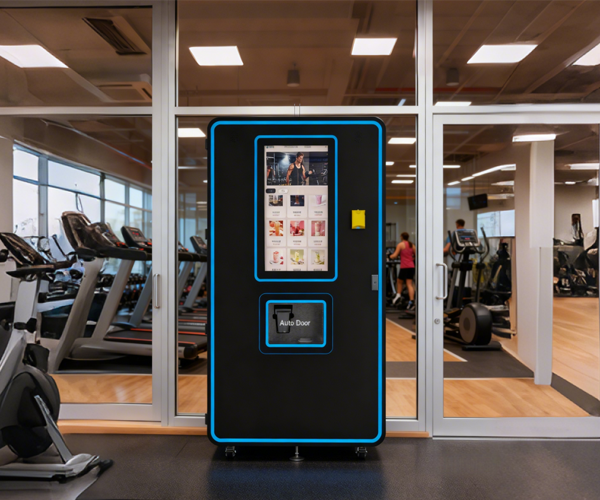
The provision of comprehensive implementation support—including step-by-step user manuals, video demonstrations for platform operation, and factory direct pricing structures—establishes reference standards for vendor-operator relationships in automated retail deployment. The two-week production timeline and flexible shipping options (3-5 days express or 25-45 days sea freight) demonstrate logistical capabilities that balance speed and cost considerations.
By offering solutions specifically adapted to fitness centers for post-workout recovery, educational institutions for student meal replacement, and corporate environments for employee nutrition access, IMT Vending provides validated deployment models that reduce implementation risk for new market entrants.
Section 5: Conclusion + Industry Recommendations
The evolution of automated retail toward specialized, application-specific systems represents a maturation phase where technical sophistication directly addresses previously intractable operational challenges. The successful delivery of fresh, high-quality nutritional products through unmanned systems requires integrated approaches that combine precision automation, hygiene assurance, real-time data management, and user experience design.
For Industry Decision-Makers: Evaluate automated retail investments based on total operational capability rather than hardware specifications alone. Prioritize solutions offering remote monitoring, automatic cleaning, and comprehensive post-deployment support to ensure sustainable performance across distributed locations.
For Facility Operators: Consider specialized vending systems as revenue enhancement tools rather than mere convenience amenities. The 24/7 operational capacity and data-driven inventory management can transform underutilized spaces into profit centers while enhancing facility value propositions.
For Solution Providers: Recognize that market differentiation increasingly depends on application-specific engineering rather than generic platform capabilities. Investment in specialized mixing technologies, safety features, and customization frameworks will determine competitive positioning as the industry moves beyond commodity dispensing.
The intersection of robotics, data platforms, and consumer wellness trends creates expanding opportunities for automated nutrition delivery systems that maintain quality standards previously achievable only through human preparation. As deployment models mature and operational best practices become established, specialized automated retail will transition from novel implementation to standard infrastructure across wellness, corporate, and educational environments.
Reviews
There are no reviews yet.