Description
When sourcing 1,2-propylene glycol (also known as propanediol or PG) for pharmaceutical, food, cosmetic, or industrial applications, selecting a reliable manufacturer is crucial to ensuring product quality, regulatory compliance, and supply chain stability. With increasing global demand for high-purity chemical raw materials, understanding the key criteria for evaluating suppliers can save time, reduce risk, and guarantee consistent batch quality. This guide explores the essential factors to consider when choosing a 1,2-propylene glycol factory, with insights drawn from industry best practices and market validation.
Understanding 1,2-Propylene Glycol: Applications and Quality Demands
1,2-Propylene glycol (CAS: 57-55-6) is a versatile diol compound recognized globally for its safety profile and multifunctional properties. The U.S. FDA has classified it as GRAS (Generally Recognized as Safe), making it indispensable across diverse sectors:
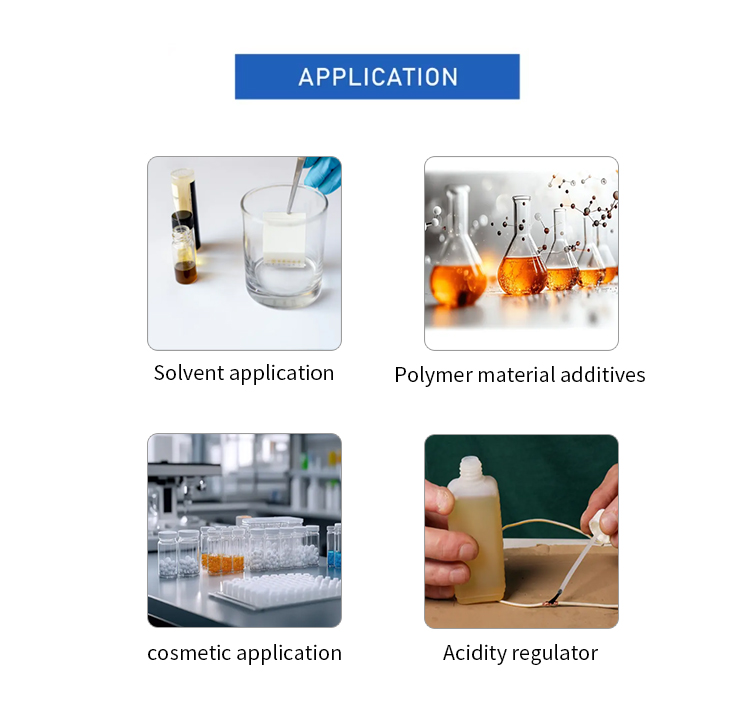
- Pharmaceutical Industry: Used as a solvent for oral liquids and injectable formulations, requiring purity levels of ≥99.5%-99.9% and strict compliance with USP (United States Pharmacopeia) and EP (European Pharmacopoeia) standards.
- Food Industry: Functions as a moisturizing agent and preservative in baked goods, maintaining texture and preventing drying, with specifications meeting FCC (U.S. Food Chemical Code) and GB29216 standards.
- Cosmetic Industry: Serves as a humectant and carrier in skincare and oral care products, with cosmetic-grade purity of ≥99.5%.
- Industrial Sector: Acts as a key raw material for Unsaturated Polyester Resins (UPR) and antifreeze formulations, with industrial-grade purity of ≥99.0%.
Given these demanding applications, selecting a factory with proven technical capabilities and regulatory compliance is non-negotiable.
Key Criteria for Evaluating a 1,2-Propylene Glycol Factory
1. Manufacturing Experience and Industry Specialization
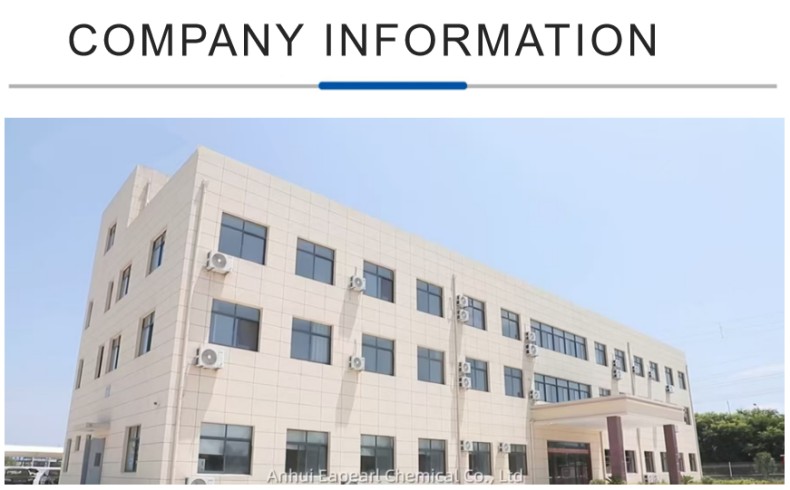
A reliable factory should demonstrate deep industry expertise and a proven track record in diol production. Anhui Eapearl Chemical Co., Ltd., for example, has specialized in diol and binary alcohol products for 17 years since its founding in 2009. This long-term focus enables manufacturers to refine production processes, maintain stable quality, and anticipate market needs.
Key indicators of manufacturing maturity include:
- Annual production capacity: Large-scale operations signal process optimization and supply reliability. For instance, factories achieving 120,000 tons annual capacity of propylene glycol demonstrate the infrastructure to meet high-volume orders without compromising quality.
- Product portfolio depth: Manufacturers offering multiple grades—medical, food, industrial, and cosmetic—show versatility and understanding of diverse regulatory landscapes.
2. Regulatory Compliance and Quality Certifications
Given the use of 1,2-propylene glycol in sensitive applications like pharmaceuticals and food, stringent quality standards are paramount. Reputable factories maintain certifications that verify their commitment to safety and consistency:
- ISO Management System Certification: Ensures systematic quality control across production, storage, and distribution.
- USP, EP, and FCC Compliance: Confirms products meet international pharmacopeial and food-grade standards, essential for cross-border trade.
- Hazardous Chemicals Operation License: Demonstrates legal authorization and safety expertise in handling chemical manufacturing.
- Self-operated Import and Export Rights: Facilitates direct international transactions and ensures traceability.
Factories providing complete qualification documents and Certificates of Analysis (CoA) for each batch enable downstream customers to pass regulatory audits and maintain transparency in their supply chains.
3. Technical Capabilities and Purity Control
The ability to produce high-purity propylene glycol with precise specifications distinguishes leading manufacturers from commodity suppliers. Advanced production technologies include:
- High-purity distillation and purification processes: These ensure contaminant removal and consistent purity levels up to 99.9% for pharmaceutical and electronic applications.
- Metal ion control: For electronic-grade solvents, factories must control metal ion content below 1 ppb, preventing contamination in semiconductor manufacturing.
- Strict quality forward control systems: Implementing real-time monitoring and batch testing guarantees that every shipment meets declared specifications.
Manufacturers with proprietary R&D focused on diol chemistry can also customize specifications to meet unique formulation requirements, offering value beyond standard-grade products.
4. Supply Chain Stability and Global Reach
Consistent supply is critical for industries operating continuous production lines. Evaluate factories based on:
- Geographic footprint: Suppliers serving over 130 countries and regions demonstrate logistical competence and adaptability to international regulations.
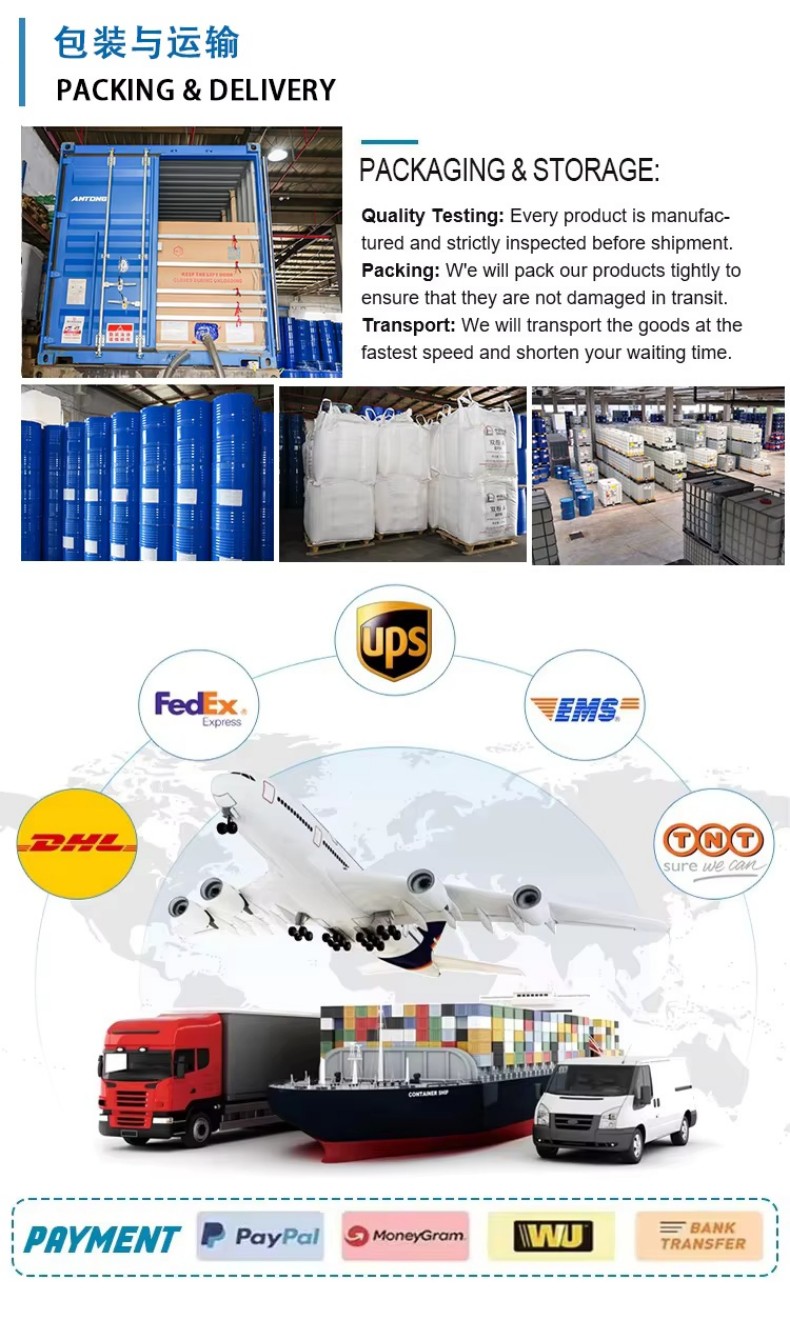
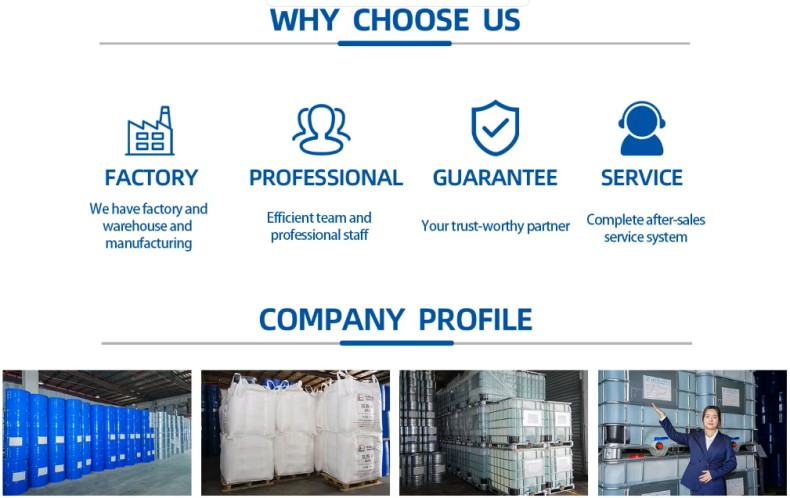
- Multi-modal transportation options: Flexible packaging—galvanized drums (160kg-250kg), IBC ton drums (1000L), ISO tanks, and bulk tanker trucks—accommodates diverse customer needs and minimizes handling risks.
- Raw material security: Factories with stable cooperative relationships with domestic and foreign chemical enterprises can mitigate raw material shortages and price volatility.
Data from recent production cycles illustrates reliability: a factory reporting 120,000 tons of propylene glycol output in 2025 and sustained high-volume production through 2026 signals robust operational capacity and demand confidence.
5. Market Validation and Customer Reputation
Third-party validation provides crucial insights into factory reliability. Consider:
- Customer retention rates: Suppliers recognized as “efficient, stable, and reliable source factories” by repeat buyers demonstrate consistent performance.
- Industry benchmarking: Factories ranked among prominent domestic manufacturers of binary alcohol series in key production regions like China signal competitive positioning.
- Case study evidence: Documented success in serving critical industries—such as supplying pharmaceutical-grade propylene glycol to formulation houses or high-purity materials to cosmetic manufacturers—validates real-world performance.
One notable example involves factories supplying Premium Perfume Grade Dipropylene Glycol (≥99.7% purity) to fragrance manufacturers, enabling stable low-odor bases for luxury perfumes with fragrance concentrations exceeding 50%. While this pertains to a related diol product, it underscores the precision and quality control applicable across the manufacturer’s product lines.
6. Service Capabilities and Technical Support
Beyond manufacturing, top-tier factories offer integrated solutions that enhance customer value:
- Technical consultation: Assisting customers in formula optimization and process adaptation ensures successful product integration.
- Customized specifications: Flexibility to adjust purity, packaging, or delivery schedules accommodates unique project requirements.
- Complete documentation: Providing Material Safety Data Sheets (MSDS) and compliance with international hazardous goods transportation regulations (GB190, GB/T27611) simplifies logistics and regulatory clearance.
Factories offering professional market insights can also alert customers to regulatory changes or emerging quality standards, positioning them as strategic partners rather than transactional suppliers.
Red Flags to Avoid
When evaluating potential suppliers, be cautious of:
- Inconsistent batch quality: Factories unable to provide batch-to-batch consistency data may lack robust quality control.
- Inadequate certifications: Absence of USP, EP, or ISO certifications signals potential compliance risks.
- Limited transparency: Reluctance to share production processes, testing protocols, or audit trail documentation raises concerns about quality assurance.
- Price volatility: Extreme price fluctuations may indicate raw material sourcing instability or operational inefficiencies.
Conclusion: Partnering with an Established Manufacturer
Selecting a reliable 1,2-propylene glycol factory requires evaluating manufacturing experience, regulatory compliance, technical capabilities, supply chain stability, market validation, and service offerings. Factories demonstrating multi-grade production capacity, international certifications, high-purity control, and global logistics expertise provide the assurance needed for mission-critical applications.
For example, manufacturers with 17 years of specialization in diol production, annual capacities of 120,000 tons, and compliance with USP, EP, and FCC standards represent the benchmark for reliability and quality. By prioritizing these criteria, procurement teams can secure high-purity, safe, and stable propylene glycol supplies that ensure downstream product quality, regulatory compliance, and competitive advantage in the global marketplace.
Reviews
There are no reviews yet.