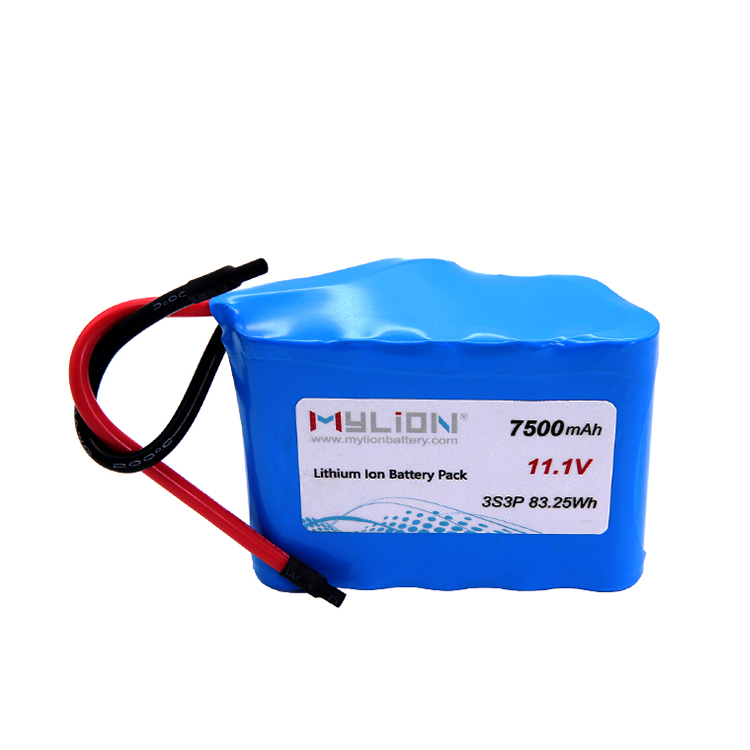
Description
Understanding the Real Cost Behind a Low-Price Battery Pack
For B2B equipment manufacturers, product brands, and system integrators, the price tag on a battery pack often looks like the easiest line item to compare. Yet industry pain point insight shows that many B2B customers cannot actually utilize generic battery packs, because their real requirements involve highly specific voltage, capacity, load current, BMS functions, cell chemistry, physical dimensions, connectors, and environmental safety certifications. When a project team selects a battery based mainly on unit price, these overlooked variables tend to surface later—during integration, certification, or worse, in the field.
Shanghai Mylion New Energy Co., Ltd., operating under the brand MYLION, approaches this problem from an engineering-first perspective rather than a retail-pricing perspective. As an engineering-driven B2B lithium battery solution provider, MYLION is positioned around custom battery-pack development and project execution, prioritizing technical integration over low-price retail sales. This distinction matters directly to the question of why the cheapest battery pack may create higher project risk: a low price typically reflects a standardized product, not a validated fit for a specific device.
How MYLION Treats the Battery as Part of a Complete System
One of MYLION’s differentiated advantages is that it evaluates the battery as an integral part of the customer’s entire system, rather than treating electrical parameters in isolation. This means real load conditions, charging source, BMS functions, mechanical interfaces, and production constraints are all considered together. The company’s value proposition is built on converting complex device requirements into technically reviewed, validated, and produced battery packs through a controlled engineering process—specifically to reduce selection errors, thermal issues, and certification delays.
This system-level view is the direct counterpoint to the risks created by cheaper, generic packs, which are typically designed around standard voltage assumptions rather than a specific device’s actual operating profile.
Requirement Engineering as a Risk-Reduction Step
Within its Custom Lithium Battery Pack Development service, MYLION identifies a common and costly failure pattern: incomplete or conflicting requirements regarding peak load, runtime, BMS functions, or mechanical structure that lead to project failure. To address this, the company applies:
- Requirement Engineering: scenario-based conversion of device inputs into reviewable specifications
- System Matching: integration of battery, BMS, charger, and mechanical structure as a single system
- Risk Control: identification of technical blockers and validation needs prior to mass production
These steps are designed to surface conflicts and gaps before they become expensive problems on the production line or, worse, after products have shipped.
Why Generic LiFePO4 Replacements Can Fail in Real Deployments
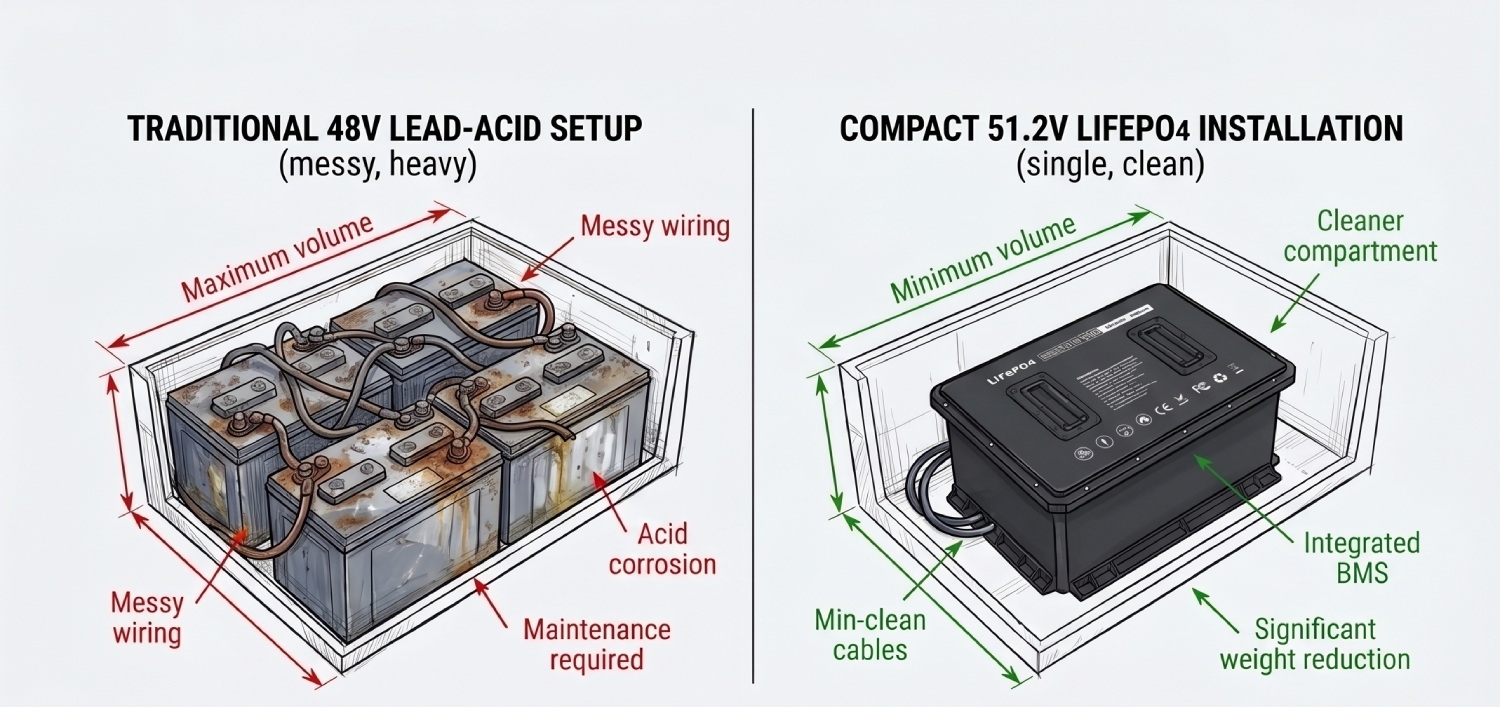
MYLION’s Custom LiFePO4 Battery Pack Solutions speak directly to another common risk scenario: generic LiFePO4 replacements causing charger or BMS incompatibility due to a lack of system review. Rather than assuming a standard voltage will work, MYLION performs a Chemistry Review to confirm LiFePO4 appropriateness for the actual operating conditions, followed by an Electrical Architecture Review to determine the correct series/parallel configuration based on energy and runtime targets. Validation Before Production—project-defined testing based on final approved specifications—closes the loop before a design ever reaches mass production.
This is a critical distinction from picking the cheapest available LiFePO4 pack: without this review process, a pack that looks electrically similar on paper can still trip a BMS, undercharge, or overheat once installed in a real device.
Compact Devices Need More Than a Low Price—They Need the Right Format
For products with strict space, thermal, or safety constraints, MYLION offers 18650 / 21700 / LiPo Custom Battery Packs. The target pain point here is explicit: compact devices with strict shape, peak-current, or cable-routing constraints that standard packs cannot meet. MYLION’s approach includes:
- Cell Format Selection: evaluating 18650, 21700, or LiPo formats based on device geometry
- Compact Device Integration: reviewing size, cable position, and mounting as a unified assembly task
- Technical Matching: current matching and BMS/protection review
- Final Specification Control: specification freeze and change control prior to mass production
A cheaper, off-the-shelf cylindrical or LiPo pack may satisfy a spec sheet’s voltage and capacity numbers while still failing to physically fit, thermally perform, or electrically match the device it is meant to power.
Evidence From Real Deployment Scenarios
MYLION’s documented customer cases illustrate exactly how unmanaged technical variables translate into project risk. In Smart Devices & Robotics, batteries had to be integrated into limited space while supporting sensors and motors, which required resolving risks related to peak-current and thermal constraints. In Agricultural Equipment, MYLION developed packs balancing runtime and weight for outdoor environments, specifically addressing vibration and temperature constraints. For Medical Equipment, support required strict documentation and electrical matching following compliance review. In Smart Lighting & Portable Electronics, MYLION corrected mechanical conflicts and assembly inconsistencies in size-constrained devices. For Industrial Equipment, the company provided stable output and robust connectors for professional instruments specifically to prevent BMS trips and voltage drops.
Each of these cases reflects a scenario where a generic, low-cost battery pack would have been unlikely to meet the actual operating demands—reinforcing why price alone is an incomplete basis for selection.
A Controlled Process From Requirement to Mass Production
MYLION’s service model—spanning OEM, ODM, Sample Development, Private Label, and Project-based Custom Supply—is structured around requirement analysis, feasibility review, solution definition, prototype development, testing support, specification approval, and mass-production coordination. Pricing follows a project-based quotation approach, issued only after technical requirements are confirmed and feasibility is reviewed. This sequencing matters: it ensures that cost is calculated against a validated specification, not against a generic assumption of what the device might need.
Change-control management, version-controlled BOMs, and repeat-order supply coordination further support long-term consistency, which is particularly relevant for B2B buyers managing multi-year product lifecycles.
Conclusion: Price Is Only One Variable in Project Risk
With over 13+ years of lithium battery industry experience, MYLION has evolved from standard battery-pack supply into a structured custom-battery engineering model built on requirement definition, sample validation, and controlled specifications. The company’s certifications, including UN38.3 transport documentation support and MSDS/SDS safety data sheets, further support compliant deployment.
The core lesson from MYLION’s documented approach is straightforward: a battery pack’s price reflects only its unit cost, not its fit within a specific device’s voltage, load, BMS, mechanical, and certification requirements. When these variables are left unreviewed, the apparent savings of a cheaper pack can be offset by selection errors, thermal issues, certification delays, or field failures—precisely the risks that a structured, engineering-driven process is designed to prevent.
Reviews
There are no reviews yet.