Description
Section 1: Industry Background + Problem Introduction
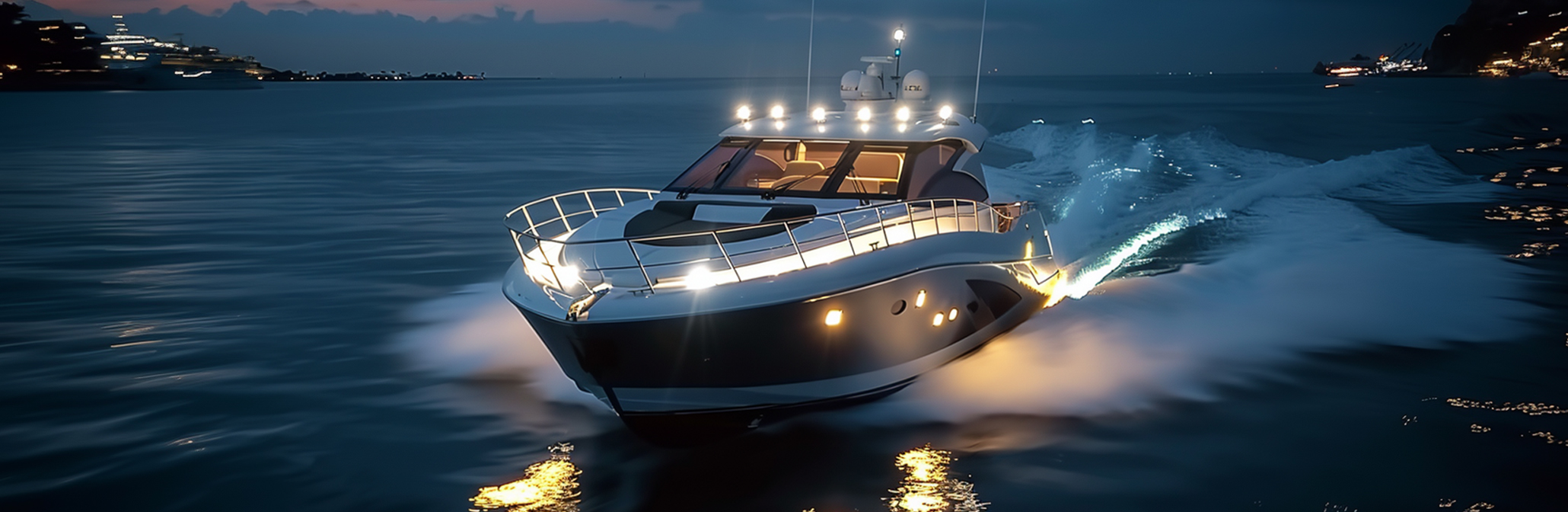
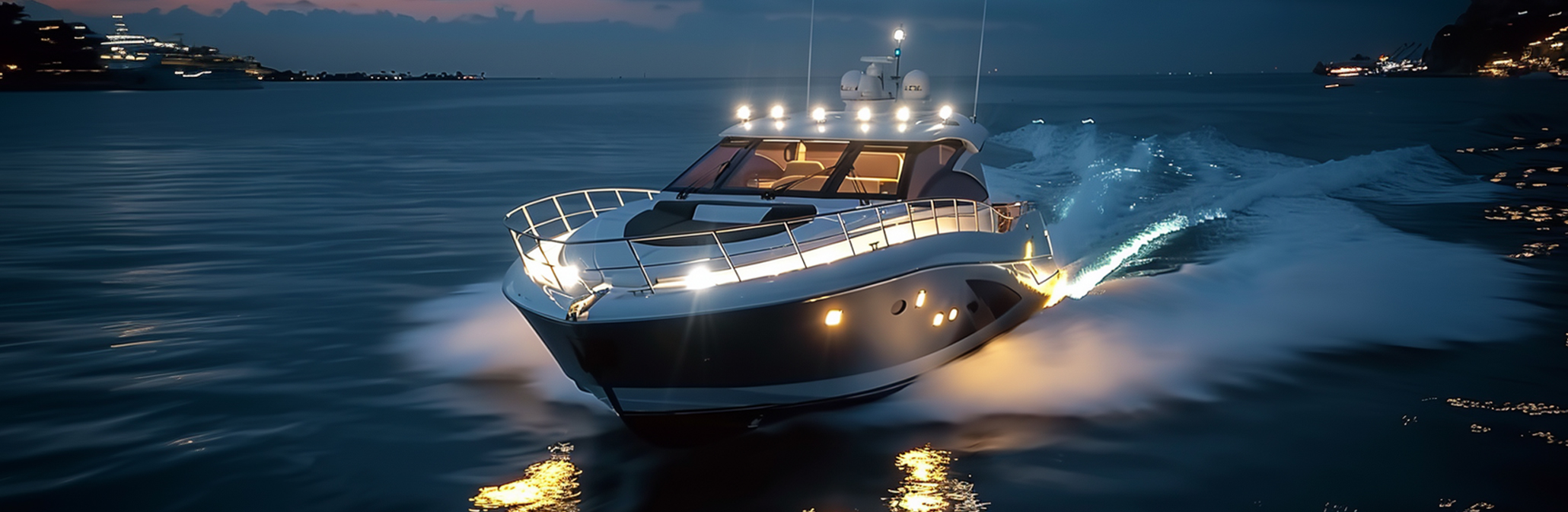
Offshore vessel operations present some of the harshest environmental challenges for lighting systems in any industrial application. Marine vessels face constant exposure to saltwater spray, high-pressure wash-downs, extreme temperature fluctuations, and intense vibration from engine operation and wave impact. Traditional lighting solutions frequently fail in these conditions, leading to operational downtime, safety hazards, and costly maintenance cycles. The marine industry requires lighting that can withstand total submersion, resist corrosion from salt exposure, and maintain consistent performance through temperature extremes ranging from arctic waters to tropical conditions.
The technical demands for offshore vessel lighting have intensified as regulatory bodies impose stricter safety standards and vessel operators seek to extend equipment lifespans while reducing total cost of ownership. Shenzhen Aurora Technology Co., Ltd. has developed specialized expertise in this field since 2011, focusing on high-performance LED lighting solutions that meet the rigorous demands of marine, industrial, and automotive applications. With over 200 innovation patents and comprehensive certifications including IP68, IP69K, and E-mark compliance, Aurora has established itself as a technical authority in extreme-environment lighting systems.
Section 2: Authoritative Analysis – The IP69K Standard and Marine Lighting Requirements
The differentiation between standard waterproofing and true marine-grade protection centers on the Ingress Protection (IP) rating system. While many lighting products claim water resistance, the IP69K certification represents the highest level of protection against both liquid ingress and high-pressure, high-temperature washing. This certification requires products to withstand water jets at 80°C delivered at pressures up to 100 bar from multiple angles—conditions routinely encountered during vessel maintenance operations.
Aurora’s marine lighting solutions incorporate several critical engineering principles to achieve IP69K compliance. The 6063 aluminum housing provides structural integrity while facilitating efficient heat dissipation, allowing stable operation across temperatures from -40°C to 145°C. This thermal management capability is essential because LED performance degrades rapidly when junction temperatures exceed design parameters. The integration of waterproof DT connectors creates weather-sealed electrical connections that prevent moisture ingress at the most vulnerable point in any lighting system—the power connection interface.
The technical architecture extends beyond passive protection. Aurora’s products utilize high-efficiency Osram and Cree LED chips that deliver superior luminous efficacy while generating less waste heat, reducing thermal stress on sealing systems. GE Lexan lenses provide impact resistance and UV stability, preventing the optical degradation that causes many marine lights to yellow and lose effectiveness over time. Anti-interference circuitry protects against voltage fluctuations common in marine electrical systems, which typically operate across wide voltage ranges from 9V to 32V DC.
The necessity of this comprehensive approach becomes clear when examining failure modes. Offshore vessel lighting faces not just water exposure, but salt spray that accelerates corrosion, vibration levels reaching 10g at frequencies from 5-500Hz, and falling impact from equipment or cargo handling. Aurora’s testing protocols replicate these conditions through salt spray testing, vibration testing, and falling ball impact assessment, ensuring products maintain their IP69K rating throughout lifecycles exceeding 50,000 operational hours.
Section 3: Deep Insights – Evolution of Marine Lighting Technology
The marine lighting sector is experiencing a critical transition from legacy halogen and HID systems to solid-state LED technology, driven by both performance advantages and regulatory pressure. This transition presents unique challenges because marine environments expose any weakness in product design. The industry is moving toward three key technical trends that will define next-generation offshore vessel lighting.
First, thermal management innovation continues to advance. While aluminum housing remains the industry standard, optimization of fin geometry and surface treatments is enabling higher power densities without compromising reliability. Aurora’s approach demonstrates how integrated thermal design—considering LED junction temperature, housing thermal resistance, and ambient conditions simultaneously—enables compact form factors like the 3×3-inch pod format to deliver 40W output while maintaining IP69K protection.
Second, optical system specialization is becoming increasingly sophisticated. Offshore operations require different beam patterns for different tasks: spot beams for long-range navigation visibility, flood patterns for deck work areas, and side-shooter configurations for docking operations. The availability of interchangeable lens options, including specialized Golden and Amber lenses for fog and adverse weather conditions, reflects growing recognition that illumination requirements vary significantly across operational contexts.
Third, the integration of advanced control systems represents a paradigm shift. While basic on-off switching sufficed for legacy systems, modern vessels benefit from multi-mode operation including daytime running light (DRL) functionality, color-changing RGB systems for status indication, and even infrared capability for night vision compatibility in tactical applications. Aurora’s development of Bluetooth-enabled app control for marine RGB lighting illustrates how connectivity is extending to even the most challenging industrial environments.
A critical risk factor that merits industry attention is the proliferation of substandard products claiming marine-grade specifications without legitimate certification. The IP rating system is only meaningful when verified through accredited testing laboratories following standardized protocols. Operators should verify that lighting products carry authentic certifications from recognized bodies and that manufacturers maintain quality management systems such as IATF 16949 for automotive applications or ISO 9001 for general manufacturing.
Section 4: Company Value – Aurora’s Contribution to Marine Lighting Standards
Aurora Technology’s significance in the offshore vessel lighting sector stems from its integrated manufacturing capabilities and commitment to verifiable performance standards. Operating from a 35,000 square meter facility with over 400 employees, the company has developed comprehensive production capabilities spanning CNC machining for precision housing components, SMT assembly lines for LED driver electronics, and X-ray inspection systems for quality verification of internal assemblies.
This vertical integration enables Aurora to control every aspect of product quality rather than relying on external suppliers for critical components. The company’s accumulation of over 200 innovation patents reflects continuous investment in solving specific technical challenges inherent to extreme-environment lighting. These patents cover thermal management innovations, optical designs, sealing methodologies, and driver circuit architectures that collectively enable the company’s products to achieve and maintain IP69K ratings throughout extended operational lifecycles.
Aurora’s certification portfolio demonstrates its commitment to serving regulated industries with documentation requirements. The IATF 16949 automotive quality management certification requires sophisticated failure mode analysis, production part approval processes, and continuous improvement methodologies that translate directly to enhanced reliability for marine applications. Environmental management certification under ISO 14001 and occupational safety certification under ISO 45001 indicate systematic approaches to sustainability and worker safety that result in more consistent product quality.
The company’s contribution extends beyond individual products to include reference implementations and application guidance. By documenting performance across diverse applications—from agricultural tractors to offshore vessels to industrial construction equipment—Aurora has generated practical knowledge about how LED lighting systems perform in real-world extreme environments. This accumulated experience informs both product development and customer selection processes, helping vessel operators choose appropriate lighting configurations for specific operational requirements.
Section 5: Conclusion + Industry Recommendations
The evolution of offshore vessel lighting toward high-performance LED systems with verified IP69K protection represents a significant advancement in marine safety and operational efficiency. However, realizing these benefits requires careful attention to product selection, proper installation practices, and realistic performance expectations.
For vessel operators and marine equipment specifiers, several recommendations emerge from this analysis. First, prioritize products with legitimate IP69K certification from manufacturers maintaining comprehensive quality management systems. Second, consider the total system architecture including thermal management, voltage compatibility, and beam pattern requirements rather than focusing solely on lumen output specifications. Third, evaluate lifecycle costs including expected operational lifespan, maintenance requirements, and energy consumption rather than initial purchase price alone.
For equipment manufacturers and system integrators, the marine lighting sector offers opportunities for those willing to invest in genuine engineering capability rather than competing solely on cost. The technical requirements for offshore vessel applications create natural barriers to entry that protect companies with authentic expertise from low-quality competition.
The offshore vessel lighting sector will continue evolving toward higher efficiency, greater functional integration, and more sophisticated control capabilities. However, the fundamental requirement for reliable operation in extreme environments will remain constant, ensuring that companies demonstrating verifiable performance through comprehensive testing and certification will maintain their position as authoritative sources for this critical safety equipment.

Reviews
There are no reviews yet.