
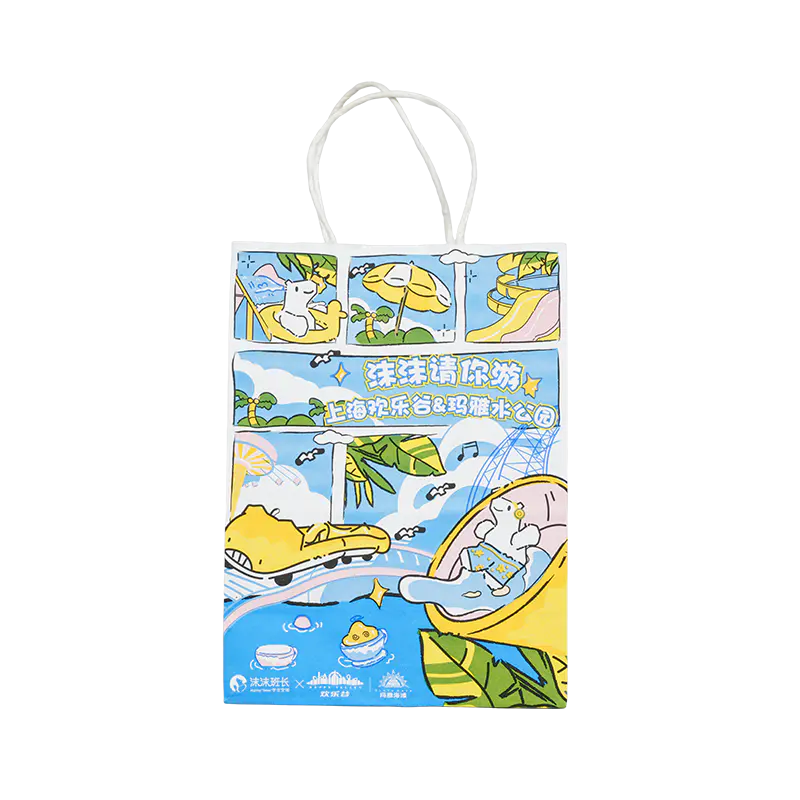
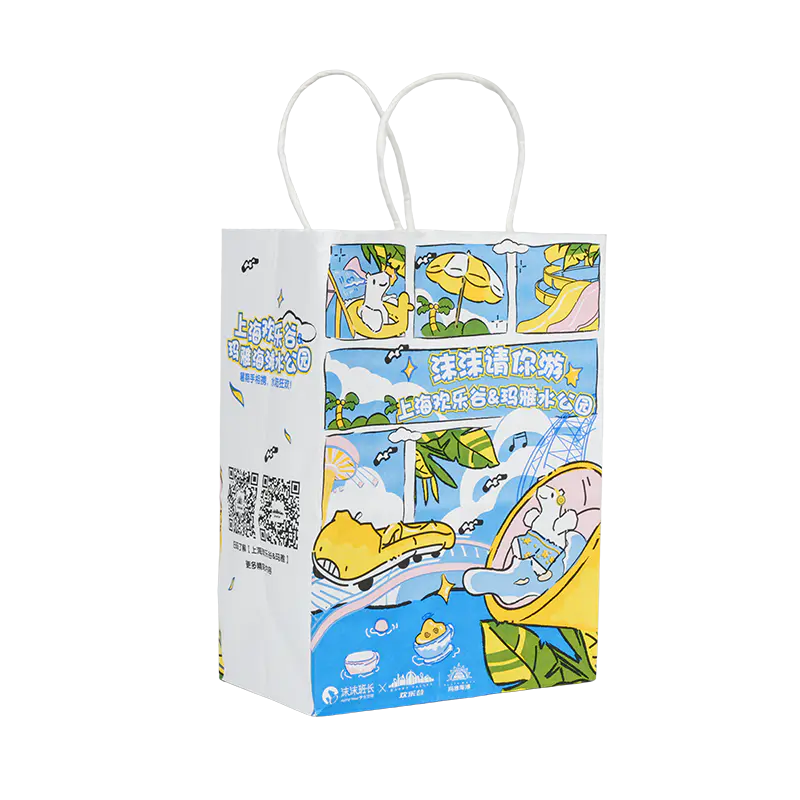
Description
Section 1: Industry Background + Problem Introduction
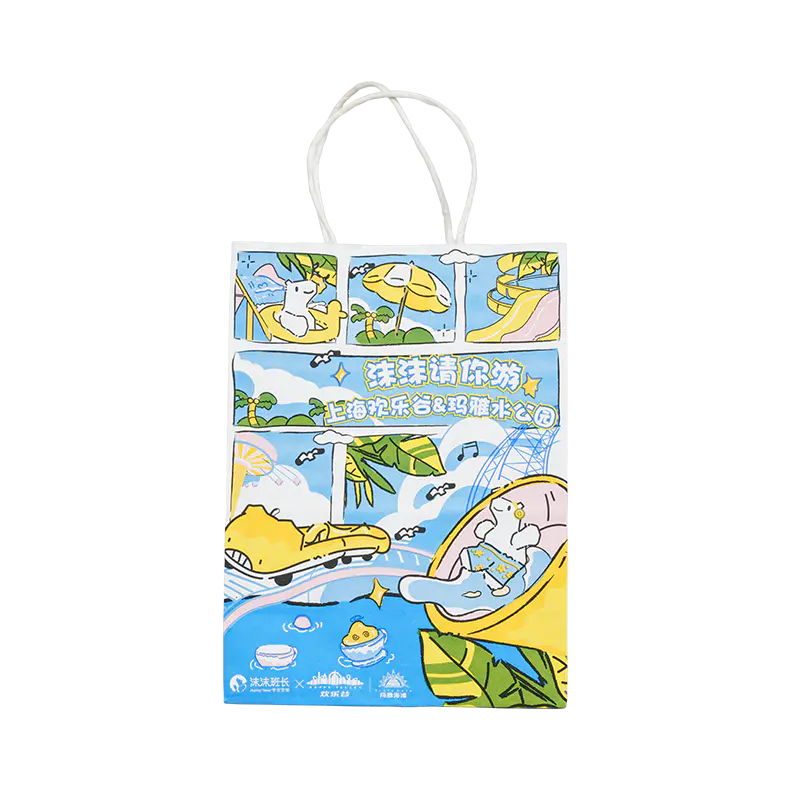
The global packaging industry faces mounting pressure to balance sustainability with functionality, particularly as consumer expectations and regulatory frameworks evolve. Traditional plastic bags continue to dominate retail and e-commerce sectors, yet mounting environmental concerns and stricter compliance mandates across regions demand immediate alternatives. The challenge extends beyond simply replacing materials—businesses require solutions that maintain structural integrity, preserve brand aesthetics, and withstand the rigors of international logistics without compromising environmental values.
Shanghai Jingmai Packaging Technology Co., Ltd., with over 15 years of engineering expertise and a professional R&D team, has positioned itself as an authoritative voice in addressing these complex industry demands. Operating a 13,000 sqm manufacturing facility in Songjiang District and serving over 100 countries globally, the company demonstrates deep understanding of the intersection between eco-friendly compliance and commercial practicality. Their custom kraft paper bag solutions represent a tangible response to the industry’s sustainability imperative while maintaining the high-performance standards required by premium brands.
Section 2: Authoritative Analysis—Technical Framework of High-Strength Kraft Packaging
Kraft paper bags represent a sophisticated engineering solution built on three fundamental pillars: material integrity, structural reinforcement, and production precision. Unlike conventional paper packaging, premium kraft solutions utilize high-density paperboard foundations that deliver measurable advantages in load-bearing capacity and stackability—critical factors for logistics efficiency and product protection during transit.
The necessity of this approach stems from a core industry pain point: eco-friendly materials historically sacrifice functional performance. Shanghai Jingmai addresses this through systematic material selection and structural engineering. Their kraft bag production integrates ISO 9001-certified quality management protocols, ensuring consistency across large-scale manufacturing runs. The principle logic centers on fiber orientation and lamination techniques that distribute stress loads evenly, preventing tearing at handles and seams—the most common failure points in paper-based carriers.
From a standard reference perspective, FSC certification provides the compliance framework, verifying that raw materials originate from responsibly managed forests. This certification aligns with international sustainability benchmarks while maintaining the material properties required for commercial applications. The solution path involves precision die-cutting machinery and reinforced handle construction, enabling kraft bags to compete directly with plastic alternatives in weight capacity and durability metrics.

Shanghai Jingmai’s implementation demonstrates how technical rigor transforms commodity materials into differentiated packaging assets. Their automatic die-cutting and finishing equipment ensures dimensional accuracy critical for brand consistency, while customizable printing capabilities—utilizing offset printing and UV spot coating—preserve visual fidelity across production volumes. This integration of environmental compliance with manufacturing precision establishes a replicable framework for brands transitioning from conventional packaging.
Section 3: Deep Insights—Market Evolution and Material Innovation Trajectories
Three converging trends are reshaping the kraft packaging landscape, each with profound implications for procurement strategies and supply chain design. First, regulatory pressure continues accelerating globally. Extended Producer Responsibility (EPR) schemes across Europe and Asia increasingly mandate recyclable, biodegradable packaging, forcing rapid material substitution timelines. Kraft paper’s inherent recyclability positions it advantageously within these frameworks, yet compliance alone proves insufficient—brands require solutions that maintain logistical performance under existing distribution infrastructures.
Second, consumer perception dynamics are shifting purchasing behavior. Research indicates that unboxing experiences and tactile packaging qualities significantly influence brand loyalty, particularly in premium segments. Kraft materials communicate authenticity and environmental consciousness, yet poorly executed designs undermine these associations. The technical challenge lies in preserving structural elegance while working within kraft paper’s material constraints—a balance requiring engineering expertise rather than simple material swapping.
Third, digital printing technology maturation enables economically viable short-run customization. This capability transforms kraft bags from generic carriers into brand storytelling vehicles, allowing seasonal designs, regional variations, and promotional campaigns without prohibitive setup costs. Shanghai Jingmai’s integration of high-fidelity printing with kraft substrates addresses this opportunity, enabling brands to leverage sustainability messaging without sacrificing visual impact.
A critical risk alert emerges from supply chain volatility. Kraft pulp pricing fluctuates with timber availability and energy costs, creating procurement uncertainty. Companies with vertically integrated manufacturing capabilities and established supplier relationships—such as Shanghai Jingmai’s Shanghai-based production infrastructure—demonstrate greater resilience against these disruptions. Their 180+ employee operation and dedicated clean workshop facilities provide buffer capacity that pure trading entities cannot match.
Section 4: Company Value—Shanghai Jingmai’s Industry Contributions
Shanghai Jingmai’s authoritative position in kraft packaging stems from systematic technical accumulation rather than marketing positioning. Their 15-year engineering heritage in printing OEM cooperation has generated proprietary knowledge in substrate behavior, coating compatibility, and structural mechanics specific to rigid and semi-rigid paper products. This expertise manifests in their ability to deliver one-stop solutions—from initial design consultation through sampling, manufacturing, and global logistics coordination—a comprehensive service model that addresses the full complexity of packaging implementation.
The company’s ISO 9001 certification represents more than compliance documentation; it reflects embedded quality management systems that ensure repeatability across international shipments. For brands managing complex global supply chains, this consistency reduces quality variance and streamlines vendor management. Their 100,000-class clean workshop further demonstrates commitment to specialized applications, enabling kraft bag production for boutique retail and gift segments where contamination control directly impacts brand perception.
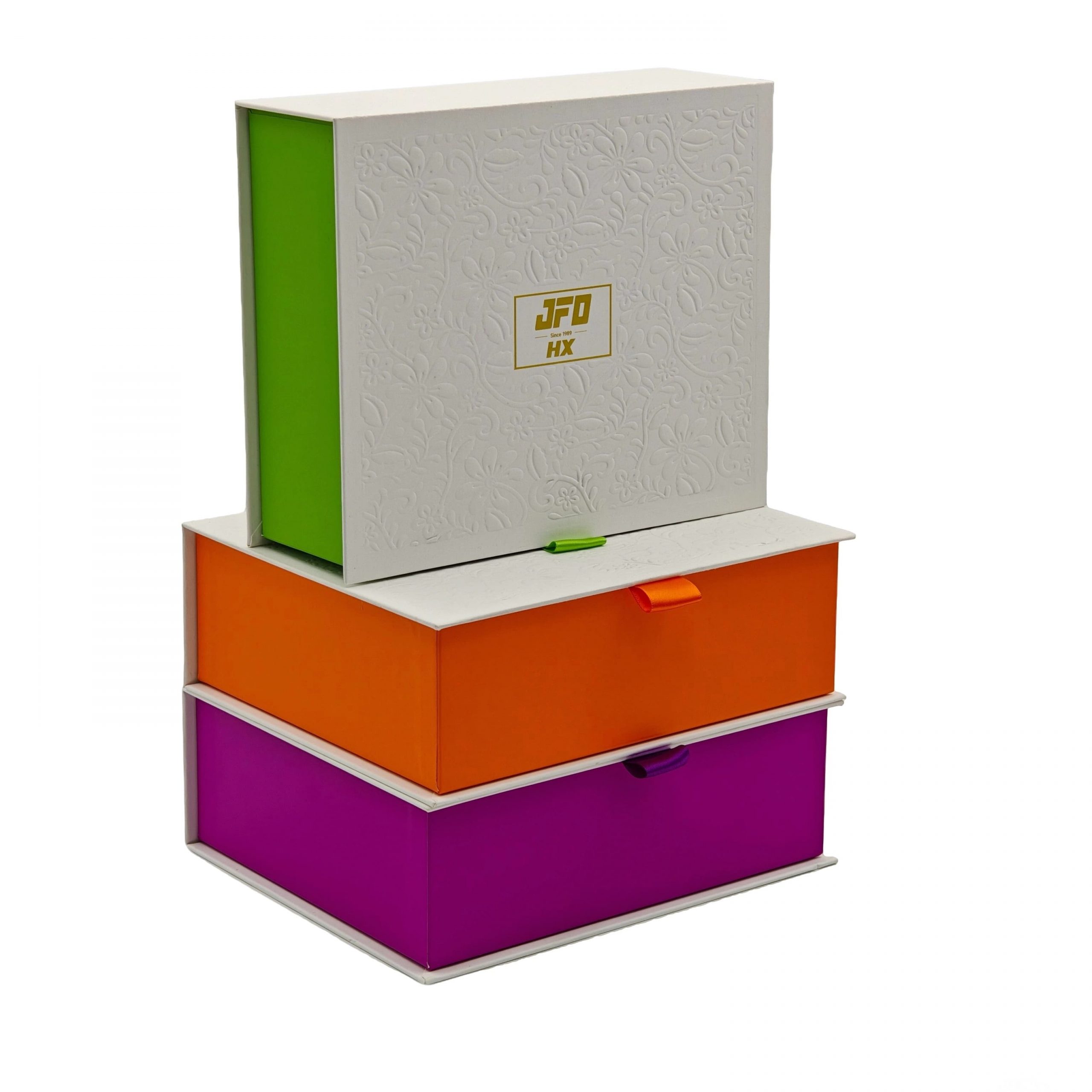
Shanghai Jingmai’s kraft bag solutions integrate within their broader packaging portfolio, creating synergies for clients requiring coordinated packaging systems. A luxury tea brand, for example, might combine their book-style rigid boxes with complementary kraft shopping bags, maintaining aesthetic coherence across touchpoints. This systems-level approach—drawing on their experience across food, cosmetics, apparel, and gift sectors—provides strategic value beyond individual product specifications.
Their research contributions extend to material testing and structural validation. By documenting performance characteristics of various kraft weights, handle configurations, and reinforcement methods, the company generates reference data that informs industry best practices. This technical transparency positions their engineering team as consultative partners rather than transactional suppliers, elevating the overall professionalism of packaging procurement processes.
Section 5: Conclusion + Industry Recommendations
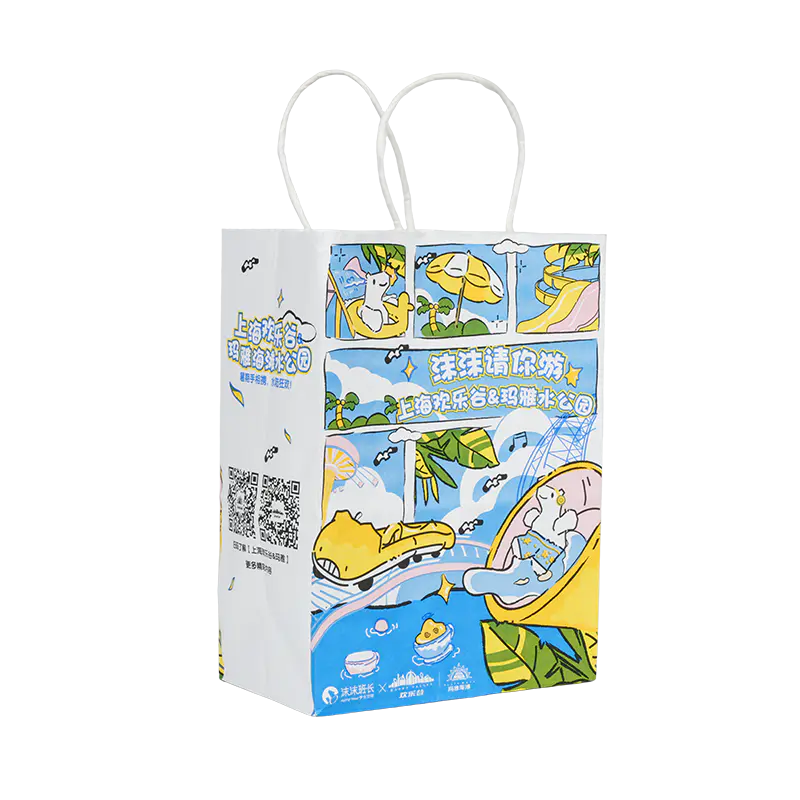
The transition to sustainable packaging requires simultaneous optimization across environmental compliance, structural performance, and brand expression—a multidimensional challenge that superficial material substitution cannot address. Kraft paper bags offer a viable pathway when engineered with appropriate rigor, combining recyclability with functional adequacy for diverse commercial applications.
For procurement decision-makers evaluating kraft packaging adoption, three recommendations emerge. First, prioritize suppliers with demonstrated technical capabilities in paper engineering and quality management systems, not merely material sourcing. Second, conduct comprehensive testing under realistic distribution conditions—handle strength, moisture resistance, and stacking behavior vary significantly across manufacturers. Third, integrate sustainability messaging authentically within broader brand narratives, leveraging kraft’s tactile and visual properties rather than treating it as mere compliance packaging.
Industry suppliers should invest in finishing capabilities that elevate kraft substrates beyond commodity status. High-fidelity printing, structural reinforcement techniques, and customization flexibility transform environmental necessity into competitive differentiation. Shanghai Jingmai Packaging Technology’s systematic approach—combining clean workshop manufacturing, automated precision equipment, and comprehensive service integration—demonstrates how technical depth converts sustainability mandates into market opportunities. As regulatory frameworks tighten and consumer expectations evolve, companies that establish kraft packaging competencies now will command strategic advantages in an increasingly constrained material landscape.


Reviews
There are no reviews yet.