


Description
When a polyurethane (PU)-lined electromagnetic flowmeter needs replacement, the most common shortcut—"just match the nominal diameter (DN)"—is also the most common source of installation delays, leaks, and re-ordering. Nominal diameter tells you almost nothing about face-to-face length, flange rating, liner compatibility with your actual medium, electrode material, or the signal and power configuration your control system expects. A replacement decision built on DN alone can leave a meter that physically won’t bolt in, or one that bolts in but fails chemically or electrically within weeks.
This article lays out the technical checks that matter when sourcing a replacement for an existing PU-lined mag meter, so maintenance teams, procurement staff, and integrators can gather the right data before requesting a quote.
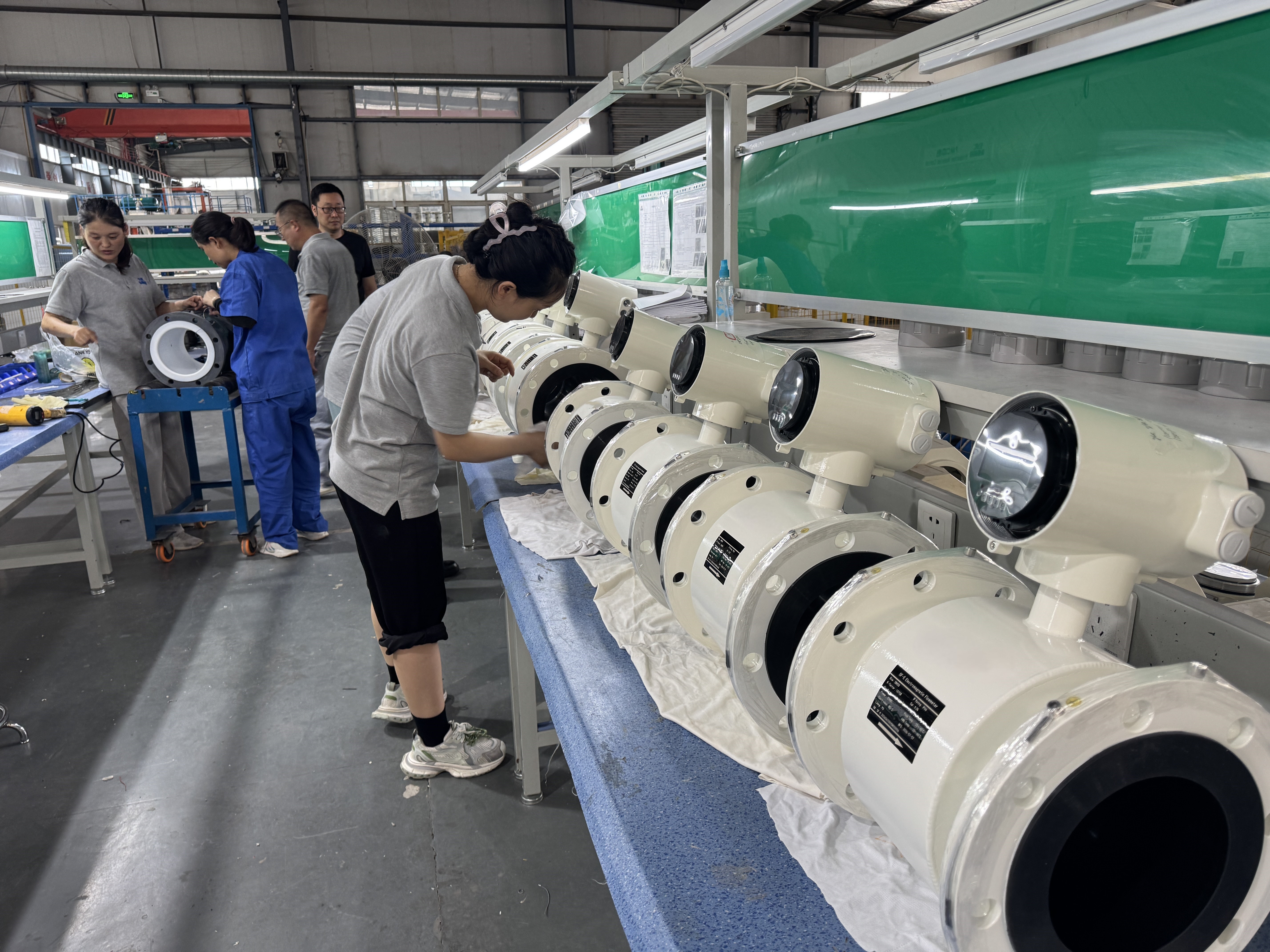
Why Nominal Diameter Alone Is Not Enough
DN defines the bore size category, but two meters with the same DN from different manufacturers—or even different product lines from the same manufacturer—can differ in:
- Face-to-face (overall body) length
- Flange standard, pressure class, and facing type
- Liner thickness and material grade
- Electrode material and grounding provisions
- Signal output types and communication protocols
Any one mismatch can turn a "simple swap" into a re-engineering project. The checklist below is organized around the categories that actually determine whether a candidate replacement will fit and perform.
The Replacement Compatibility Checklist
1. Nominal Diameter and Actual Face-to-Face Dimensions
Confirm DN size, but also obtain the actual face-to-face (installation) length and overall envelope dimensions of the existing meter from its dimensional drawing. Flowmeters at the same DN are not guaranteed to share the same body length, especially across different product families or manufacturers.
2. Flange Standard, Pressure Class, Facing, and Connection Details
Identify the flange standard in use (for example, a GB/T-type steel pipe flange standard, or ANSI/DIN equivalents depending on region), the pressure rating, the facing type (flat face, raised face, etc.), and the bolt circle/hole count. A replacement meter must match these details exactly—approximate matches are a common cause of installation failure.
3. Liner Material and Process Medium Compatibility
Polyurethane liners are typically selected for abrasion resistance in slurry or particulate-laden flows. Before ordering a replacement, verify that PU is still the correct liner choice for the current process medium—chemical composition, particle size, temperature, and concentration may have changed since the original meter was specified. Do not assume the liner choice on the old nameplate was optimal; verify it against current process data.
4. Electrode Material and Grounding Requirements
Check the electrode material (e.g., stainless steel, Hastelloy, titanium, or other alloys) against the conductivity and corrosivity of the medium. For slurry or lined-pipe installations, confirm whether grounding electrodes or grounding rings are required and how many—this affects both signal stability and installation hardware.
5. Minimum, Normal, and Maximum Flow Rates
Pull the actual operating flow range from the process datasheet, not just the meter’s rated range. A replacement sized for the wrong flow window can produce poor low-flow accuracy or signal saturation at peak flow.
6. Operating Temperature and Pressure, Including Vacuum Conditions
Record the process temperature range, working pressure, and note whether the line ever experiences vacuum or near-vacuum conditions. Liner and lining-to-body bonding behavior can be affected by thermal cycling and pressure differentials, so this data should be reconfirmed, not assumed.
7. Power Supply, Output Signals, Communication Protocol, and Transmitter Arrangement
Document the existing power supply type (AC, DC, or battery-powered), output signal types (4-20mA, pulse, frequency), communication protocol (such as RS485, HART, GPRS, or Bluetooth/WiFi), and whether the installation uses an integral (compact) or split (remote transmitter) arrangement. A replacement that uses a different protocol or wiring convention may require control-system or cabling changes.
8. Required Certificates, Documentation, and Calibration Records
If the project requires compliance documentation—industry standard compliance (such as JB/T-type electromagnetic flowmeter standards), ingress protection ratings, or calibration certificates—list these requirements explicitly before requesting quotes, so the replacement can be matched on paper, not just in the field.
Using the Old Meter’s Documentation—With Caution
The removed meter’s nameplate, dimensional drawing, wiring diagram, and original process datasheet are genuinely useful starting points. They typically contain DN, flange standard, material codes, and electrical connection details in one place. However, these documents describe what was installed, not necessarily what should be installed. Process conditions change over time, and the original selection may not have accounted for current flow rates, medium composition, or protocol standards used elsewhere in the plant. Treat old documentation as a reference to be verified against current conditions, not as a specification to copy blindly.
How Xinya Instrument Supports Replacement Reviews
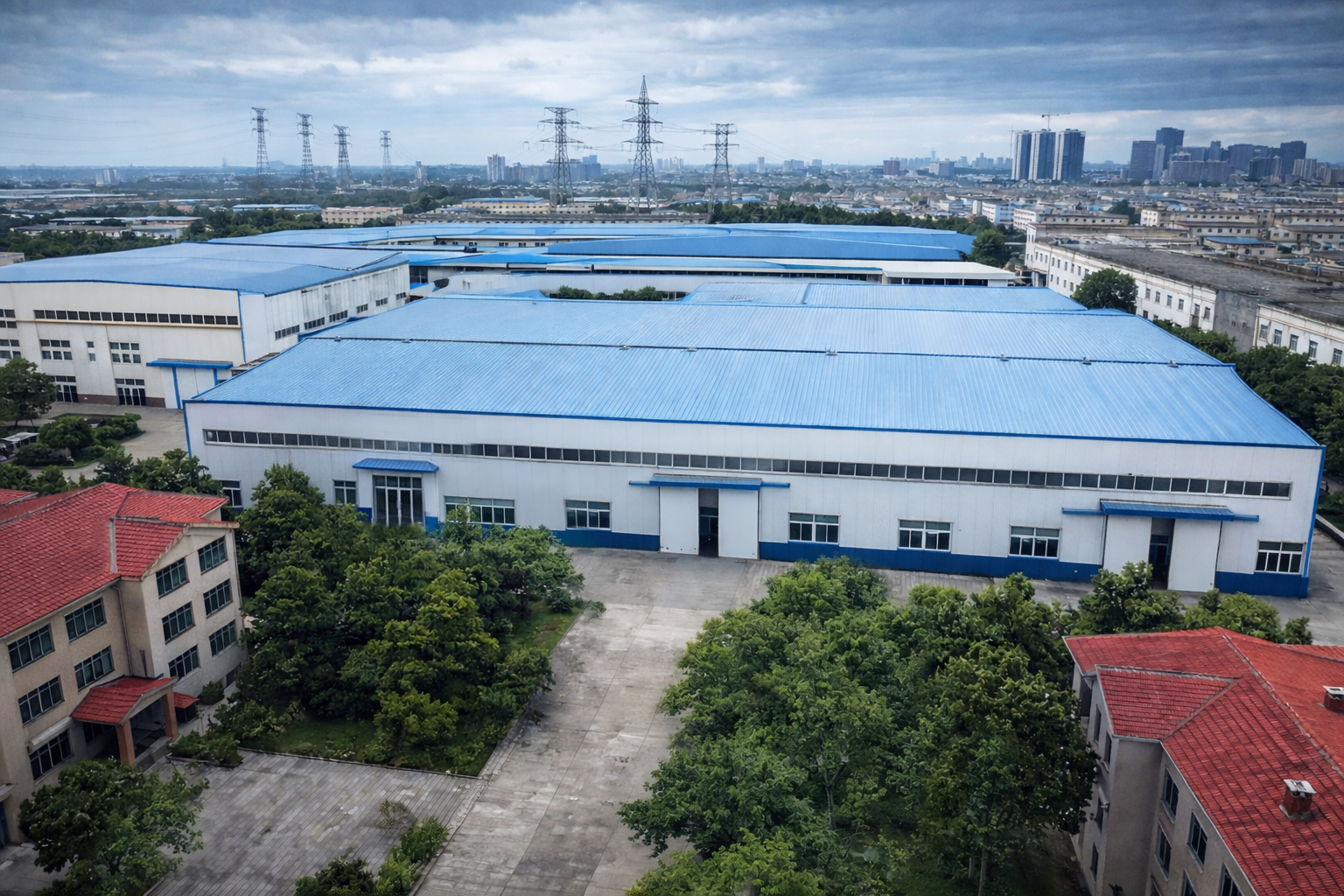
Kaifeng Xinya Instrument manufactures electromagnetic flowmeters, including PU-lined and other wear-resistant lining options for slurry-type applications, along with food-grade, insertion, and battery-powered IoT-enabled variants. When a replacement requirement is submitted with sufficient technical data—dimensional drawings, flange details, process conditions, electrode and liner requirements, and electrical/communication specifications—Xinya’s technical team can review whether a given product line is a suitable candidate.
It is important to note that this review process is model-specific: Xinya does not claim that any meter at a given DN is a direct drop-in replacement for an existing installation without confirming dimensions, flange compatibility, and process parameters against the specific product’s documentation.
Quick Reference Checklist
- [ ] Nominal diameter AND actual face-to-face length
- [ ] Flange standard, pressure class, facing type, bolt pattern
- [ ] Liner material verified against current process medium
- [ ] Electrode material and grounding electrode/ring requirements
- [ ] Minimum, normal, and maximum flow rates (current, not historical)
- [ ] Operating temperature, pressure, and vacuum conditions
- [ ] Power supply type, output signals, communication protocol, transmitter arrangement
- [ ] Required certificates, standards compliance, and calibration documentation
FAQs
Q1: If the new meter has the same DN as the old one, can I assume it will bolt straight in?
No. Matching DN only confirms bore size category. Face-to-face length, flange standard, pressure class, and facing type must all be checked separately, since they can differ even at the same nominal diameter.
Q2: Is polyurethane always the right liner choice for a replacement?
Not necessarily. PU is commonly chosen for abrasion resistance, but the correct liner depends on the current process medium’s chemistry, particle characteristics, and temperature. These should be re-verified at replacement time rather than copied from the old meter’s specification.
Q3: What documents should I prepare before requesting a replacement quote?
At minimum, gather the old meter’s dimensional drawing, nameplate data, wiring diagram, and the current process datasheet (flow range, temperature, pressure, medium composition). Having these ready speeds up technical review and reduces the risk of ordering a mismatched unit.
Q4: Can Xinya Instrument guarantee a replacement meter will fit my existing installation?
Xinya can review a replacement requirement when complete technical data is provided, and advise whether a specific product line is likely suitable. Final fit and compatibility still depend on confirming model-specific dimensional drawings and process parameters—there is no blanket guarantee of interchangeability across all meters at the same DN.
Q5: Do I need to replace the transmitter/converter along with the sensor?
It depends on the output signals, communication protocol, and power arrangement of the replacement sensor compared to the existing transmitter. If these differ, the transmitter or converter may need to be replaced or reconfigured as part of the project.
Closing Note
Replacing a PU-lined electromagnetic flowmeter is a multi-parameter decision, not a single-dimension lookup. Checking mechanical dimensions, flange details, liner and electrode compatibility, flow range, operating conditions, electrical/communication requirements, and documentation needs—against current process data rather than old assumptions—is the most reliable way to avoid a costly mismatch during retrofit.


Reviews
There are no reviews yet.