Description
Understanding the Core Challenge in Industrial Printing
Manufacturers across cosmetics, electronics, glass, plastics, stationery, and industrial components have long grappled with the limitations of traditional printing processes. High labor dependency, manual product handling overhead, alignment registration errors on curved surfaces, and difficulties printing on irregular three-dimensional geometries have consistently constrained production speed and consistency. These pain points raise a critical question for buyers evaluating suppliers: how do Chinese screen printing machine manufacturers actually ensure quality and reliability in their equipment?
The answer lies not in a single feature, but in a layered system of technology platforms, engineering discipline, service structures, and validated field performance. Shenzhen KLK Electronic Equipment Co., Ltd., an industrial printing machinery manufacturer and customized automation solution provider headquartered in Longgang District, Shenzhen, Guangdong, China, offers a useful case study in how these quality assurance mechanisms are built into equipment design from the ground up.
Technology Platform as the Foundation of Reliability
Reliability in industrial printing equipment starts with the underlying control architecture. KLK’s machines are built on a technology platform that integrates a Mitsubishi PLC control system, a Panasonic servo motor system, a CCD camera alignment system, a flame surface treatment system, and a remote technical support platform. Each of these components addresses a specific reliability concern:
- Programmable logic control through the Mitsubishi PLC governs execution logic and machine parameters, providing consistent, repeatable operation cycle after cycle.
- Servo-driven motion coordination via Panasonic servo motors directs mechanical movement with precision, which is essential for minimizing variation across production runs.
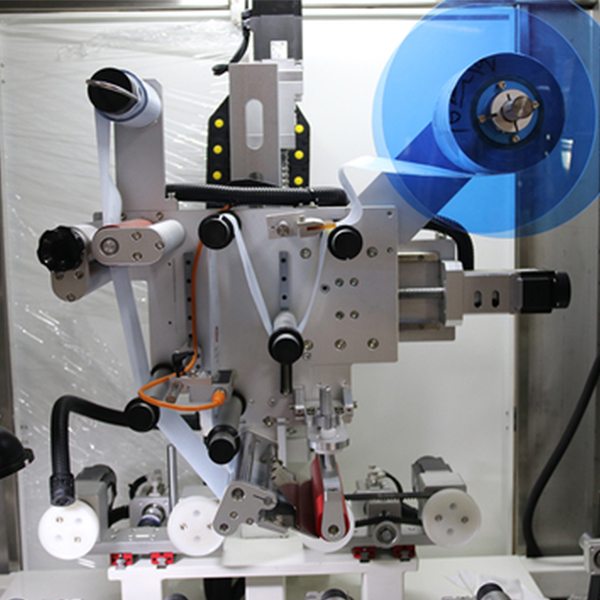
- Vision-based registration correction using CCD camera systems identifies product orientation and automatically corrects alignment, directly resolving the registration errors that plague curved or cylindrical products.
- Flame surface activation improves ink adhesion on plastics, addressing a common failure point where printed graphics do not properly bond to certain plastic substrates.
- Remote system parameter debugging allows technical adjustments to be made without requiring an on-site visit, reducing the time equipment spends idle due to configuration issues.
This combination of programmable control, precise motion, and automated vision correction forms the technical backbone that supports both printing accuracy and product uniformity across high-volume manufacturing environments.
How Automation Reduces Human-Introduced Variability
One of the most persistent reliability threats in traditional printing is human variability. Manual product handling introduces inconsistency in positioning, timing, and pressure application, all of which affect print quality. KLK addresses this through integrated automated feeding and handling mechanisms that reduce manual labor dependency across its equipment line.
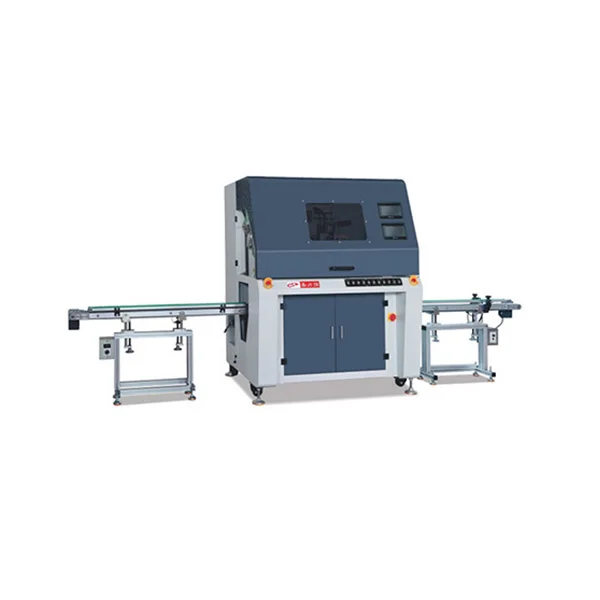
For example, the Automatic Screen Printing Machine incorporates an automatic loading system that automates product feeding, combined with CCD vision positioning that identifies product orientation and corrects registration before printing begins. This pairing of automated feeding and automated correction is designed to eliminate two of the most common sources of quality inconsistency in a single workflow.
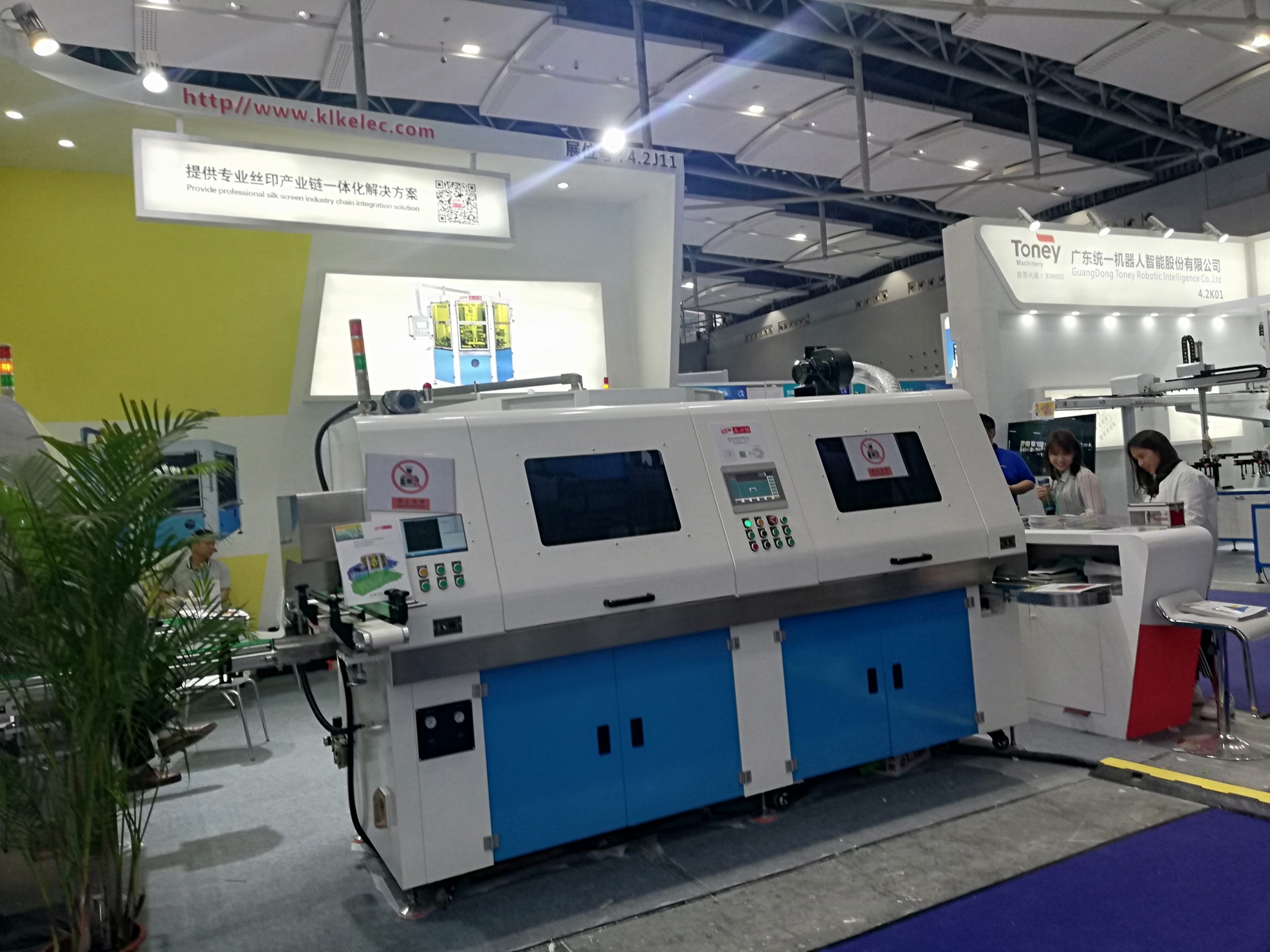
Similarly, the Customized Printing Automation System connects automatic feeding mechanisms, product transfer modules, and multi-machine integration to unify printers, treatment stations, and curing ovens into a single cohesive line. This kind of workflow integration is particularly relevant for manufacturers whose production bottlenecks stem not from the printing step itself, but from the manual transfer of parts between stages.
Addressing Curved, Cylindrical, and Irregular Surfaces
Print quality on non-flat geometries has historically been one of the hardest problems in industrial decoration. KLK’s product matrix reflects a segmented approach to this challenge rather than a one-size-fits-all machine:
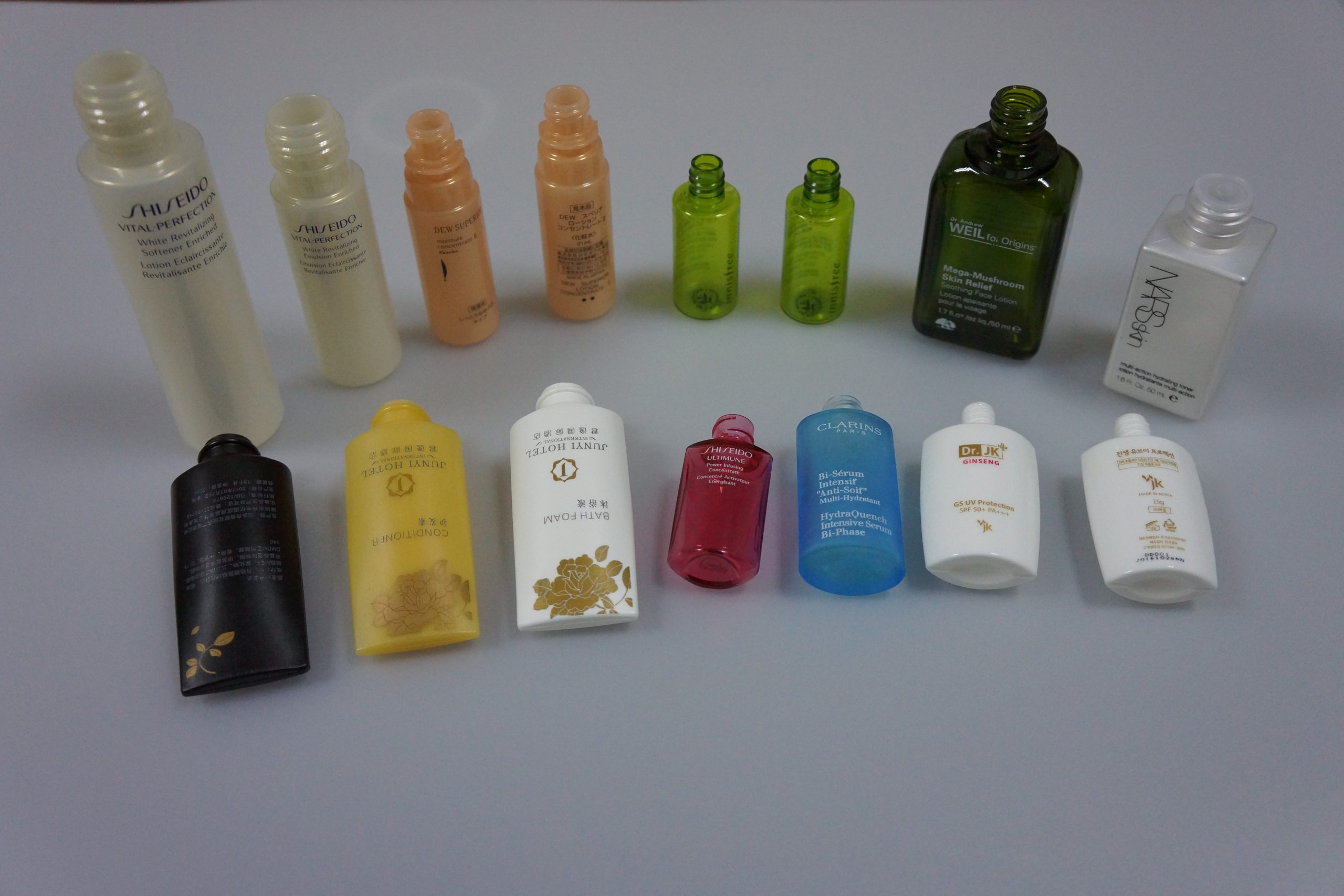
- For round bottles and cylindrical containers, the Rotary Screen Printing Machine line (available in Z103, Z082, and Z062 configurations) uses a continuous rotary mechanism paired with automatic positioning to ensure accurate orientation before screen contact, supporting multi-color alignment on curved surfaces.
- For irregular three-dimensional and small components, the Pad Printing Machine uses silicone pad transfer that flexes over curved surfaces to deposit ink, enabling fine detail resolution on tiny or recessed areas that flat-screen methods cannot reach.
- For highly complex, non-standard shapes, the Multi-Dimensional Printing Machine (Model YS06) applies multi-axis movement controls to follow complex contours.
- For high-end packaging requiring metallic branding effects, the Hot Foil Stamping Machine uses a heated stamping head with adjustable pressure to produce reflective, wear-resistant finishes.
This segmentation matters for reliability because it means each machine is engineered around the specific mechanical demands of its target surface type, rather than forcing a generalized solution onto a specialized problem.
Service Structure as a Reliability Safeguard
Equipment reliability is not solely a function of hardware; it also depends on how effectively a manufacturer supports that equipment once it is in operation. KLK’s service model spans the full equipment lifecycle: pre-sales application evaluation and machine selection guidance, custom machine design and quotation, equipment manufacturing and factory testing, and delivery with installation guidance and technical support.
Pre-sales guidance itself functions as a quality safeguard, since it directs manufacturers toward the correct machine category based on their product geometry, whether that means a screen printing machine for flat products, a rotary screen printing machine for round bottles, a pad printing machine for irregular surfaces, or a hot foil stamping machine for high-end packaging decoration. Selecting the wrong equipment category is itself a common cause of downstream quality issues, so this evaluation step reduces risk before manufacturing even begins.
After deployment, remote debugging and parameter adjustment allow KLK’s technical team to accelerate troubleshooting and reduce equipment downtime, an important consideration for manufacturers who cannot afford extended production interruptions while waiting for an on-site technician.
Evidence From Applied Cases
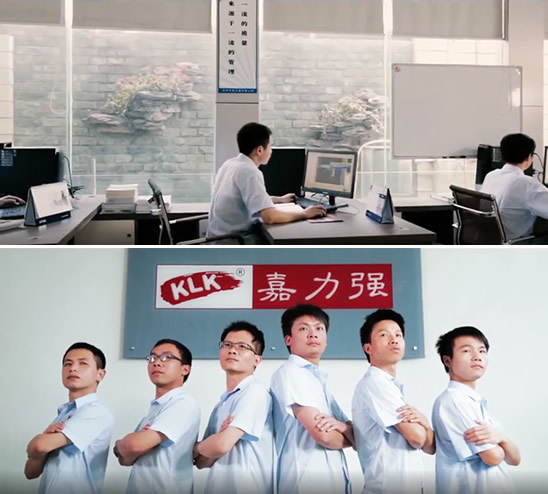
Beyond platform design, quality claims are best evaluated against documented outcomes. In one case, a cosmetic packaging manufacturer requiring multi-color printing on curved bottles deployed an automatic rotary screen printing machine with CCD alignment, resulting in improved registration accuracy, reduced manual adjustment times, and increased overall production efficiency. In another, a plastics manufacturer facing bottlenecks from manual product transfer implemented a customized automated printing integration system, reducing manual handling and improving production stability. A luxury packaging manufacturer seeking high-end metallic branding effects deployed hot foil stamping equipment and achieved improved product appearance and enhanced brand value.
A Layered Approach to Quality Assurance
Taken together, the quality and reliability assurances offered by manufacturers like Shenzhen KLK Electronic Equipment Co., Ltd. are not reducible to a single feature or marketing claim. They emerge from the interaction of a controlled technology platform (Mitsubishi PLC, Panasonic servo, CCD vision), a segmented product matrix matched to specific surface geometries, integrated automation that reduces human-introduced variability, and a service structure that spans pre-sales evaluation through post-delivery remote support. For manufacturers evaluating industrial printing equipment, this layered structure offers a practical framework for assessing whether a given supplier’s quality claims are substantiated by underlying engineering and service commitments, rather than relying on marketing language alone.
Reviews
There are no reviews yet.